
Beyond Caffeine.
The Real Coffee Science.

Publife isolates chlorogenic acids, polyphenols, and coffee fruit compounds — the nutraceutical molecules researchers study, not the stimulant people drink.

See Our Extracts

Coffee's Hidden Chemistry

Coffee compounds

Coffee contains far more than caffeine. Within each bean lies a complex matrix of bioactive compounds that have captured the attention of metabolic researchers worldwide. Chlorogenic acids, caffeoyquinic acids, and coffee fruit polyphenols represent just the beginning of what modern phytochemistry has revealed about this ancient beverage.

Our approach centers on isolating and concentrating these specific compounds that have been studied in peer-reviewed research. Rather than creating proprietary blends or mystery formulations, we focus on the molecules that science has actually examined. Each compound we extract has been the subject of published studies investigating its metabolic properties.

This is not traditional coffee supplementation. This is targeted phytochemical extraction based on what researchers have identified as the active components responsible for coffee's effects beyond caffeine stimulation.


From Cherry to Capsule

Our extraction process begins in the highlands of Colombia and Ethiopia, where we work directly with specialty coffee farmers who understand that the compounds we seek are most concentrated in specific growing conditions. High altitude, volcanic soils, and careful harvesting timing all influence the final phytochemical profile.

We employ low-temperature extraction methods that preserve molecular integrity. Traditional coffee processing often destroys the delicate chlorogenic acid structures we aim to concentrate. Our methods maintain these compounds in their natural form, allowing us to standardize extracts to precise percentages of active molecules.

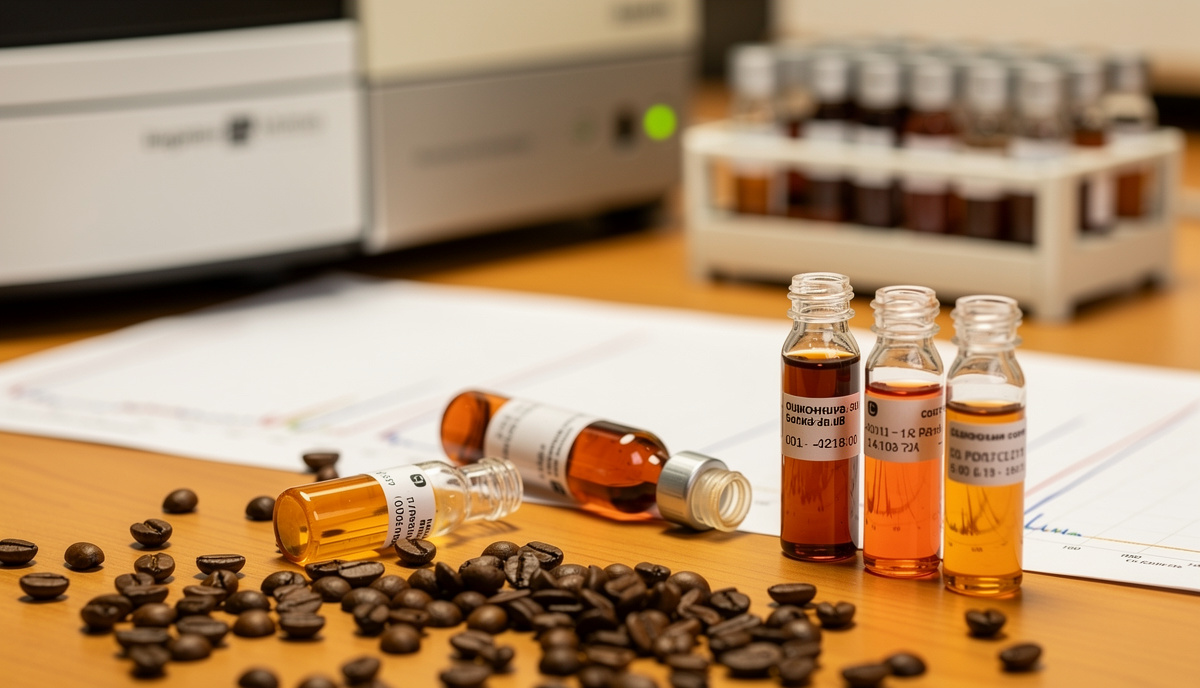
Each batch undergoes HPLC analysis to verify compound concentrations. We disclose the full isomer profile of our chlorogenic acid extracts, including 3-CQA, 4-CQA, 5-CQA, and feruloylquinic acids. This level of analytical detail reflects our commitment to precision over marketing claims.

Coffee extraction process

Three Molecular Approaches

Green Coffee Chlorogenic Complex

Green Coffee Chlorogenic Complex

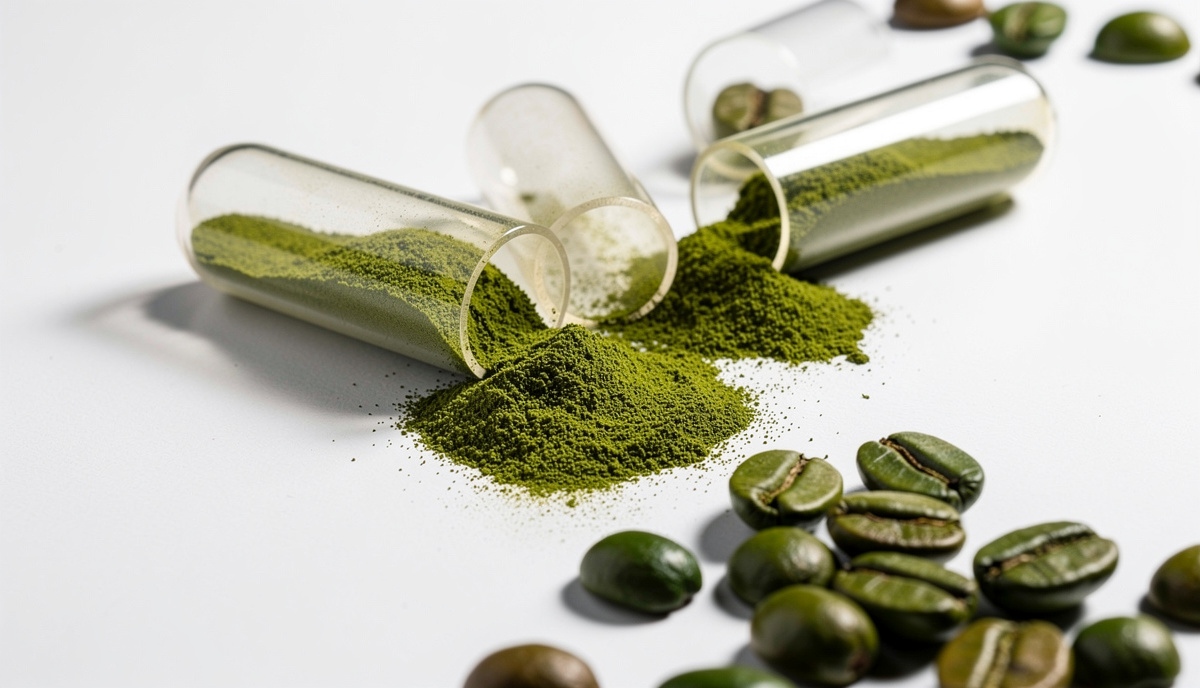
Our flagship extract standardized to 50% total chlorogenic acids from Huila, Colombia high-altitude green coffee. Each serving delivers 400mg of chlorogenic acid complex, the dosage range studied in published metabolic research. Full isomer profile disclosed: 3-CQA, 4-CQA, 5-CQA, and feruloylquinic acids. Decaffeinated to below 10mg caffeine per serving. HPLC analysis and caffeine certification available per batch.

Coffee Fruit Polyphenol Extract

Coffee Fruit Polyphenol Extract

Derived from the coffee cherry fruit, the red or yellow fruit surrounding the coffee bean, which is typically discarded during coffee processing. Coffee fruit contains a unique polyphenol profile distinct from the bean itself, including procyanidin B2, rutin, and coffee fruit-specific anthocyanins that have been studied for antioxidant and neuroprotective properties. Standardized to minimum 30% total polyphenols by HPLC analysis.

Yirgacheffe Full-Spectrum Extract

Yirgacheffe Full-Spectrum Extract

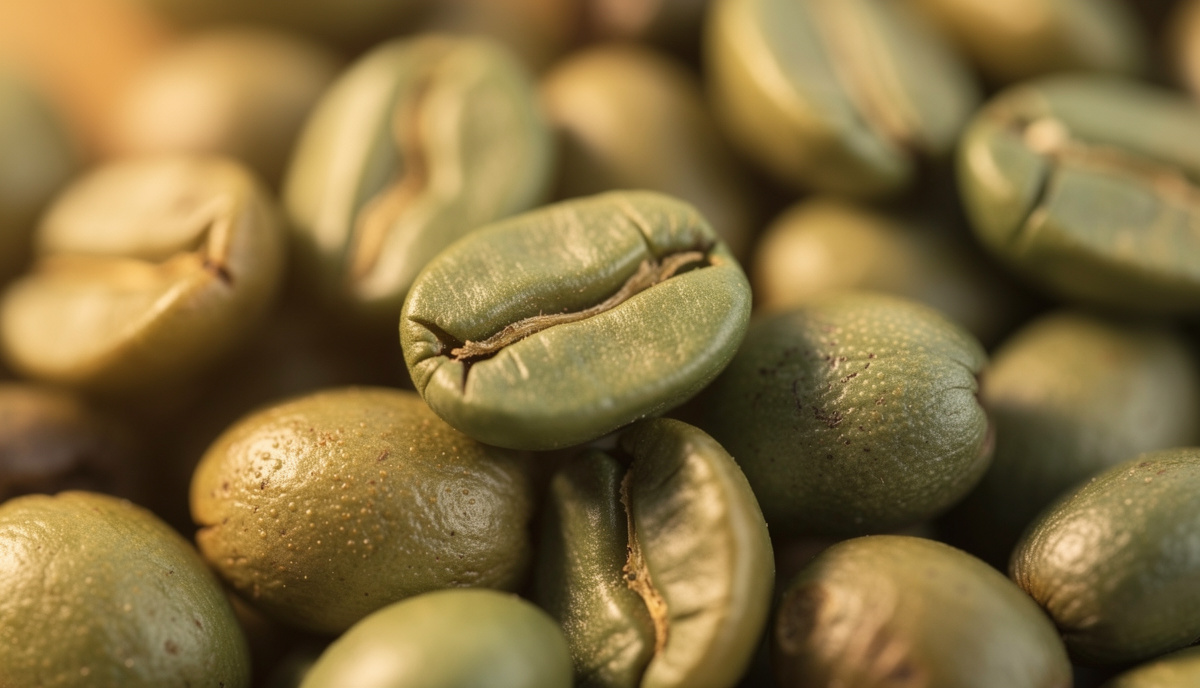
A whole green coffee bean extract from our Yirgacheffe, Ethiopia origin partner, preserving the complete phytochemical profile rather than isolating only chlorogenic acids. Contains the full natural matrix of caffeic acid, ferulic acid, quinic acid, trigonelline, and chlorogenic acid isomers in proportions reflecting the original bean. For those who prefer a less processed, full-spectrum approach to coffee phytochemical supplementation.

Research We Reference

Scientific research documentation

Our formulation decisions are based on published research examining coffee-derived compounds and their metabolic effects. We do not conduct our own clinical trials, but rather formulate based on the existing body of peer-reviewed literature that has investigated these specific molecules.

Chlorogenic acids have been studied in numerous publications examining their effects on glucose metabolism, insulin sensitivity, and fat oxidation. Coffee fruit polyphenols have been investigated for their antioxidant capacity and potential neuroprotective properties. We formulate to deliver the compound concentrations that have been examined in these studies.

Our approach is to serve as a bridge between published coffee phytochemistry research and practical supplementation. We translate the molecular findings from academic literature into standardized extracts that deliver the compounds and concentrations that researchers have actually studied.

What's Inside Each Dose

Molecular structure diagrams

Our Green Coffee Chlorogenic Complex delivers 400mg of total chlorogenic acids per serving, standardized to 50% concentration. This provides approximately 200mg of pure chlorogenic acid compounds, including 3-caffeoylquinic acid (3-CQA), 4-caffeoylquinic acid (4-CQA), 5-caffeoylquinic acid (5-CQA), and various feruloylquinic acids in their natural proportions.

Coffee Fruit Polyphenol Extract contains a minimum of 30% total polyphenols by weight, including procyanidin B2, rutin, and coffee fruit-specific anthocyanins. Each serving provides approximately 150mg of total polyphenol compounds derived exclusively from the coffee cherry fruit.

Our Yirgacheffe Full-Spectrum Extract maintains the complete phytochemical matrix found in whole green coffee beans, including chlorogenic acids, trigonelline, caffeic acid, ferulic acid, and quinic acid in their original ratios. This provides a less concentrated but more complete representation of coffee's bioactive compounds.

Questions About Coffee Compounds

Coffee compounds analysis

How do coffee-derived compounds differ from drinking coffee? Our extracts concentrate specific bioactive compounds found in coffee while removing caffeine and other components. A cup of coffee contains these compounds but in much lower concentrations and alongside caffeine, which can mask or interfere with their effects.

Why focus on chlorogenic acids specifically? Chlorogenic acids represent the most extensively studied bioactive compounds in coffee, with numerous publications examining their metabolic effects. They are also the compounds most degraded by traditional coffee roasting, making supplementation the most practical way to obtain meaningful concentrations.

What makes coffee fruit polyphenols unique? Coffee fruit contains polyphenols not found in the coffee bean itself. These compounds are typically discarded during coffee processing, but research suggests they have distinct antioxidant and neuroprotective properties different from bean-derived compounds.

How do you ensure compound stability? We use temperature-controlled extraction, nitrogen flushing, light-resistant packaging, and stability testing to maintain compound integrity. Chlorogenic acids are particularly sensitive to degradation, requiring specialized handling throughout the manufacturing process.

Coffee Science Updates

Receive research summaries, product launches, and member pricing directly to your phone